
David Chang Featured By Tonebase: Mental Practice Takeaways

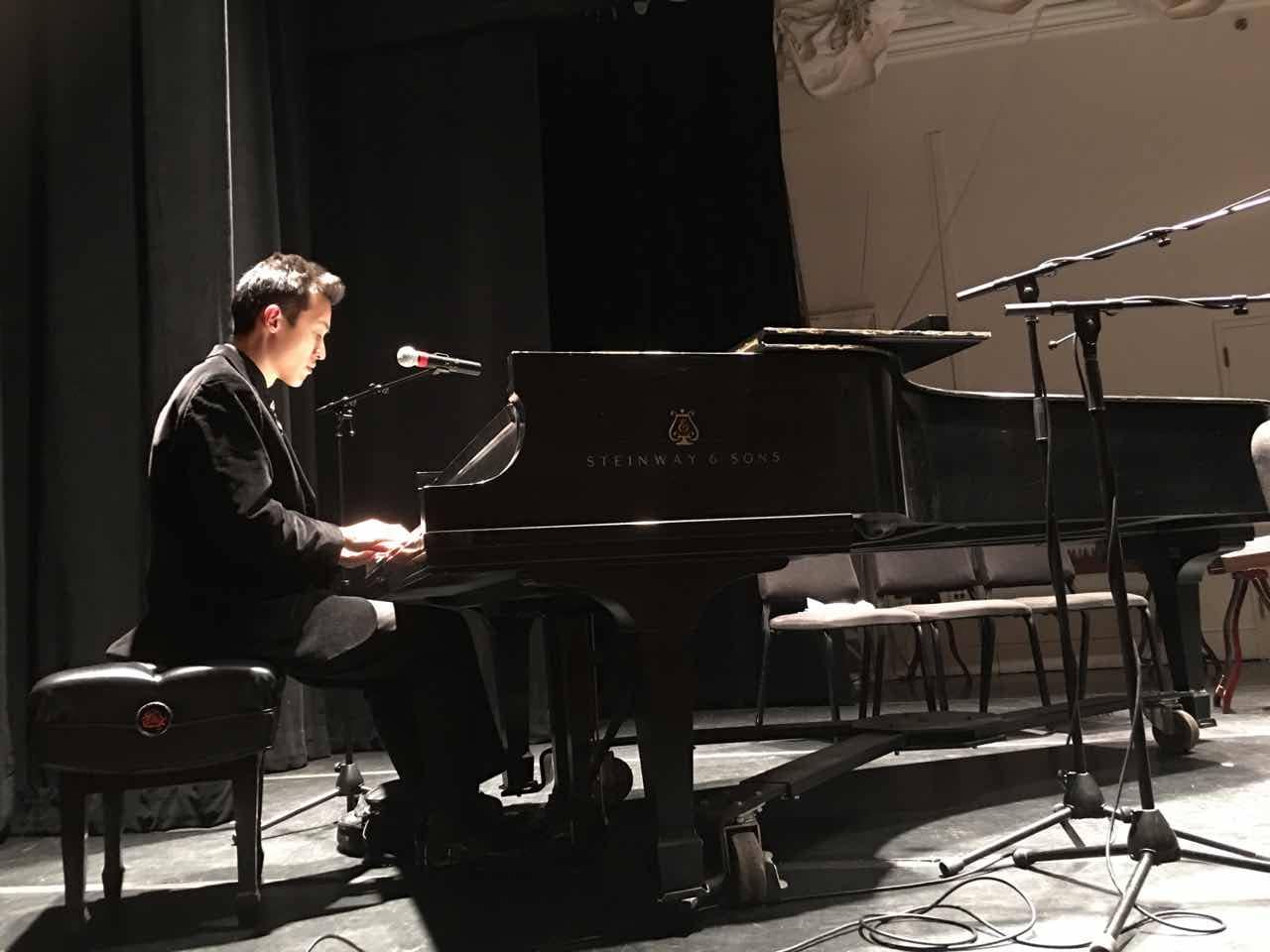
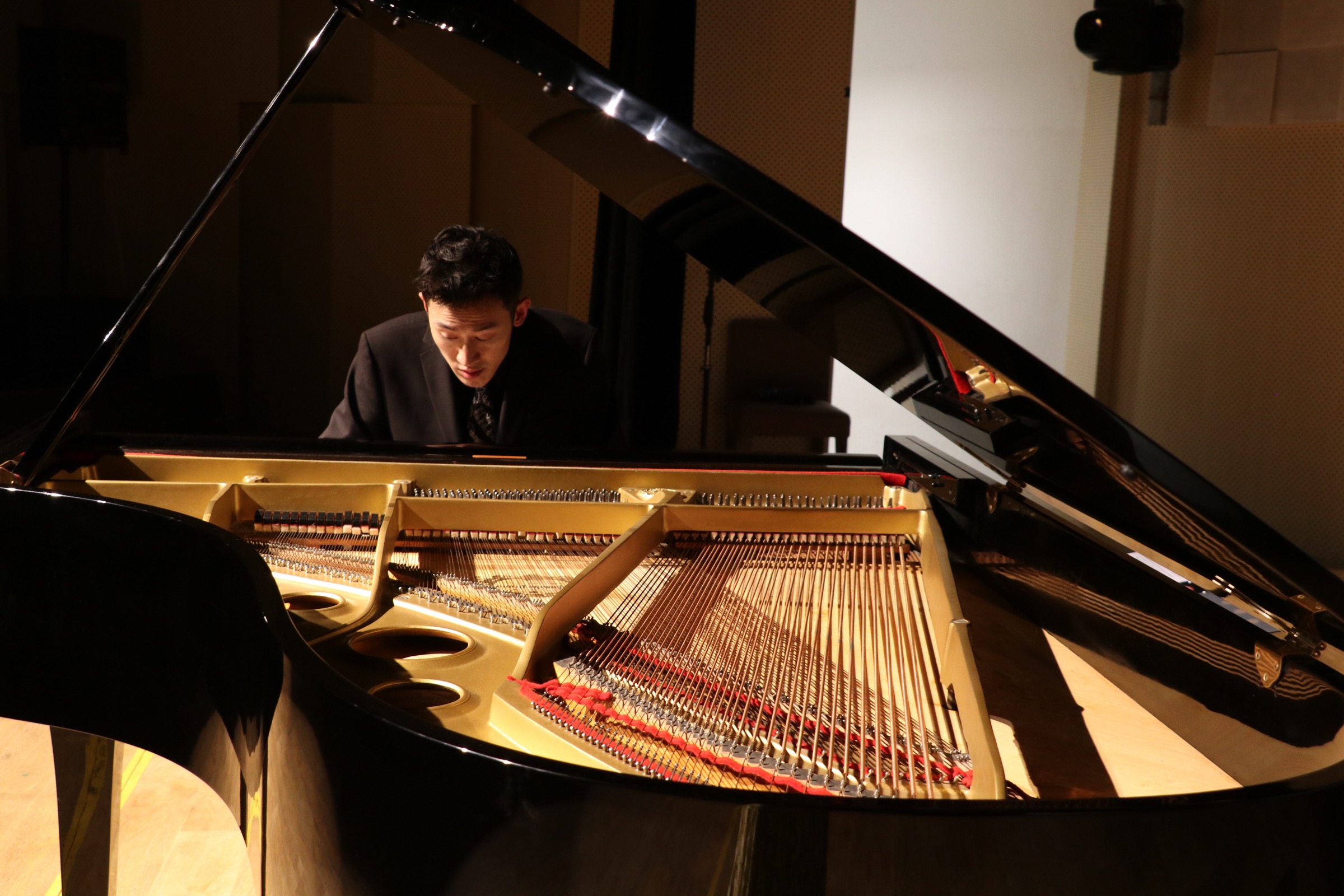
David Chang was recently featured on a Tonebase livestream discussing mental practice and why it matters for serious musical progress. The conversation was not framed as a vague “mindset” topic. It focused on practical tools that musicians can use in daily life, whether they are practicing at the piano, away from the instrument, traveling, or preparing for performance. You can watch the full video here.
One reason the discussion was so useful is that it pushed back against a common misunderstanding. Mental practice is not a magic trick, and it is not only for elite concert artists. It is a trainable skill. Like physical technique, it gets stronger when you use it well and use it often.
Mental Practice Is Not Just Thinking About Music
A lot of musicians hear the phrase “mental practice” and picture something abstract or academic. That was not the tone of this discussion at all. The central point was simple: if you cannot consciously track what comes next in your piece, your preparation is weaker than you think.
That does not mean muscle memory is useless. Far from it. But muscle memory alone can fail under pressure. If you have ever sat down to play and felt your hands hesitate, or wondered why a passage felt reliable at home and shaky in performance, that gap is often mental. You may know the piece physically, but not consciously.
Mental Practice Has To Be Built Gradually
One of the best points from the livestream was that musicians should not start with their biggest piece and expect great results right away. If a pianist tries to mentally rehearse a huge concerto before developing the skill, the experience will probably feel frustrating and vague.
Start With Music You Already Know
A much better way to begin is with something already under your fingers. If you can already play a short section from memory, then you have something concrete to picture, hear, and track away from the instrument. That creates a much more realistic starting point.
Work in Tiny Sections
This was another strong takeaway. Mental practice does not have to begin in four-bar phrases or even one full measure. For some students, the right starting point may be just a few notes. If you can picture two or three notes clearly, that is already useful. That small amount can grow over time.
This matters because a lot of students quit too early. They assume they are “bad at mental practice” when the real issue is that they started too large.
There Is More Than One Way To Mentally Practice
Another useful point from the Tonebase discussion was that mental practice does not look the same for everyone.
Some musicians think in a strongly visual way. They can picture the keyboard, the hand positions, or the instrument itself. Others rely more on sound, physical spacing, or the internal sense of movement. Some people seem to hear the next phrase before they “see” it. Others feel the geography of the instrument more than they see it in detail.
That distinction is important because many students assume they cannot do mental practice unless they can form a vivid visual image. That is not true. A musician may have a strong tactile or aural sense and still do this work very well.
Practical Tools Musicians Can Use Right Away
The best part of the livestream was how practical the suggestions were. These were not lofty ideas. They were things musicians can test immediately.
Practice Silently on the Surface of the Keys
One suggestion was to play a passage silently on the surface of the keyboard. That removes the sound but keeps the physical layout. If you can still track where you are, that is a meaningful form of mental work. If you get lost immediately, that also tells you something valuable.
Try Tabletop or Lap Practice
Another approach is to practice away from the instrument by tapping on a table or in your lap. This is especially useful when traveling or waiting somewhere. The point is not to mime the piece vaguely. The point is to test whether you really know the sequence, the rhythm, the fingering, and the structure.
Use the Score Actively
The score can also be part of mental practice rather than just something you read during physical practice. You can study a short section, look away, try to picture or hear it, then check again. That back-and-forth process is much more productive than staring at the page and assuming the information is sticking.
Sing Internally or Out Loud
For many musicians, internal singing is one of the strongest access points. If you cannot hear the line in your mind, you probably do not know it as securely as you think. This does not have to be elegant. The goal is not to sound polished. The goal is to know what comes next.
Use Spaced Repetition
The discussion also emphasized coming back to the same material over time rather than trying to force it all into one sitting. This is important. Mental practice can be tiring, especially at first. Short, repeated work usually builds more than one long, exhausting session.
Fingering Still Matters
One especially useful point was the role of fingering. Mental practice becomes much less effective if the fingering is still changing every time you play the passage. If the physical plan keeps shifting, the mental image will shift too.
That does not mean every fingering decision must be perfect from the beginning. But it does mean the student should stop changing it casually. A stable physical plan gives the mind something stable to rehearse.
Mental Practice Helps Performance in a Concrete Way
This part of the discussion was especially strong because it avoided exaggeration. The point was not that mental practice will make memory slips disappear forever. That would be a silly claim.
The real benefit is more practical.
You Can Start From More Places
A musician who practices mentally well is often able to begin from many more points in the music. That matters because memory is fragile when it only works from the opening. If you can only start at measure one, you are taking a risk.
You Recover Better Under Pressure
Mental practice also improves recovery. If something slips in performance, the player is less likely to panic because the piece is not being held together by finger habit alone. There is another layer of awareness underneath it.
You Can Practice in More Situations
This was another major advantage discussed in the livestream. Mental practice allows productive work when the instrument is unavailable. That includes travel, commutes, waiting time, breaks during the day, and other moments that would otherwise be lost.
Mental Practice Gets Easier Over Time
One of the more encouraging takeaways was that mental practice does not stay exhausting forever. In the beginning, it can feel slow and mentally heavy. That is normal. The skill becomes less tiring with repetition, just like physical practice becomes more efficient when the body learns what to do.
That is probably the most important long-term message from the discussion. Mental practice is not a clever extra for advanced musicians. It is a real part of musicianship that can be cultivated with patience.
Final Thoughts
David Chang’s Tonebase feature was useful because it treated mental practice as a working skill, not a mystical one. The big idea was not that musicians should stop physically practicing. The idea was that physical work becomes stronger when the mind is engaged at the same level.
Start small. Use music you already know. Work in tiny sections. Keep your fingering stable. Use the score actively. Try silent practice, lap practice, and internal singing. Most importantly, do not wait until you feel perfect at it. The benefits grow through repetition.
If you would like to build stronger memory, more reliable performances, and a more efficient practice process, get in touch with David Chang Music. Whether you study in Brooklyn, elsewhere in New York City, or online, David would be happy to help you get started.